Universal Design Consortium Experts Events Resources Get in Touch
The people behind the work

Meet our experts

Robots for All brings together a rare combination of robotics researchers, accessibility specialists, and people with lived experience of disability — united by the goal of making robots work for everyone.

The team behind Robots for All

Our leadership combines deep expertise in robot usability research, accessibility, and product strategy.
A nonbinary person with rainbow hair and light skin smiling at the camera
Team Lead
Marlena R. Fraune, Ph.D.

Leads Robots for All with a research background in robot usability, including work with industry leaders and government-funded grants.
+38% user satisfaction +26% social connection
A headshot-style photograph of Abena. Abena has dark skin, black hair, and is smiling.
Robot Accessibility Expert
Abena Boadi-Agyemang

Specializes in robot accessibility, with hands-on experience conducting in-person design sessions to improve robot usability with people with disabilities.

35+ PwDs in design sessions
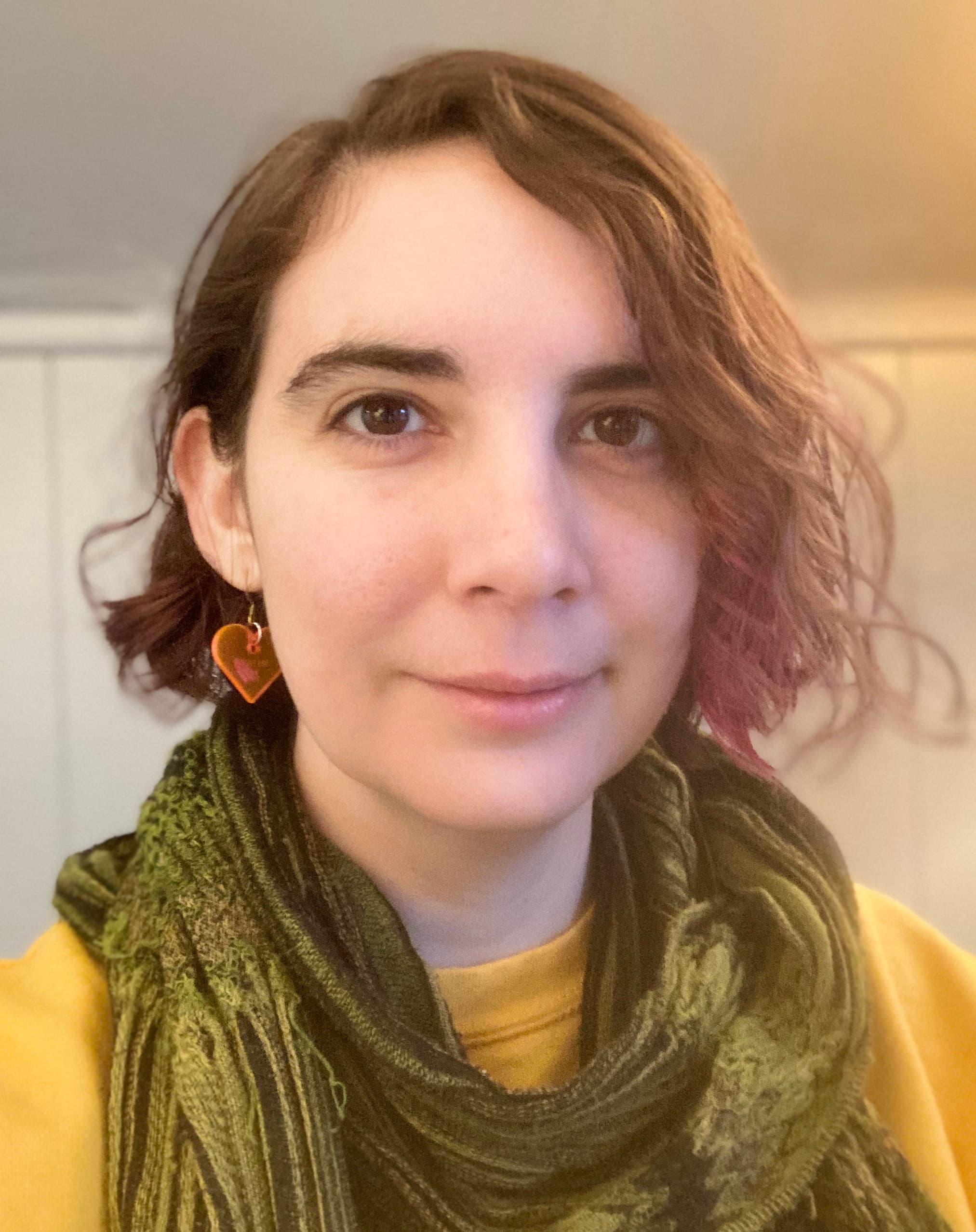
A person with short brown hair and light skin smiling at the camera. They are wearing a green scarf and yellow shirt.
Product Research & Strategy
Schyler VerSteeg

Brings over a decade of combined industry experience in product research and strategy, connecting organizational goals with market and user needs.
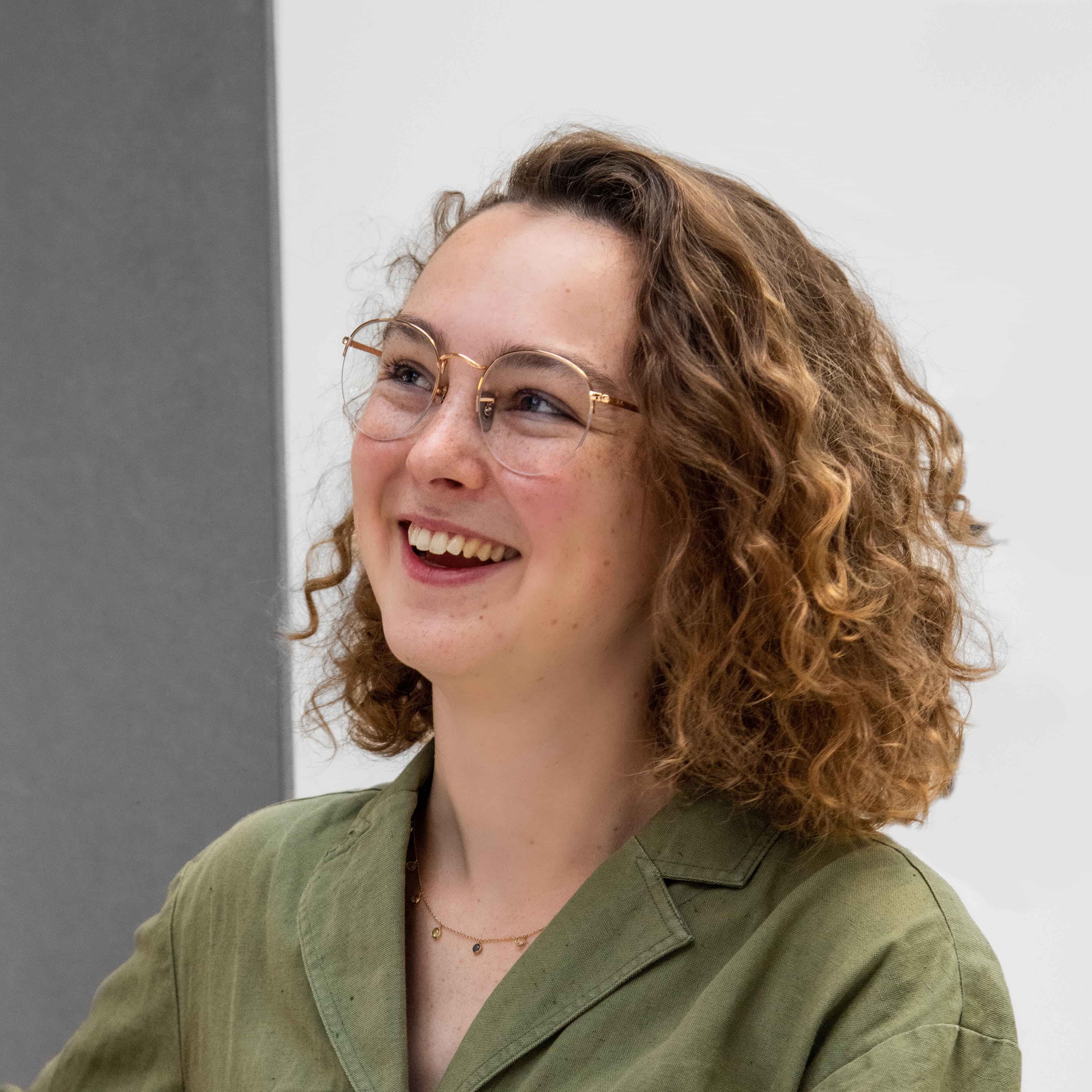
10+ years industry experience

Researchers and lived-experience experts

Our accessibility experts bring firsthand research knowledge and lived experience of disability to every guideline and project we undertake.

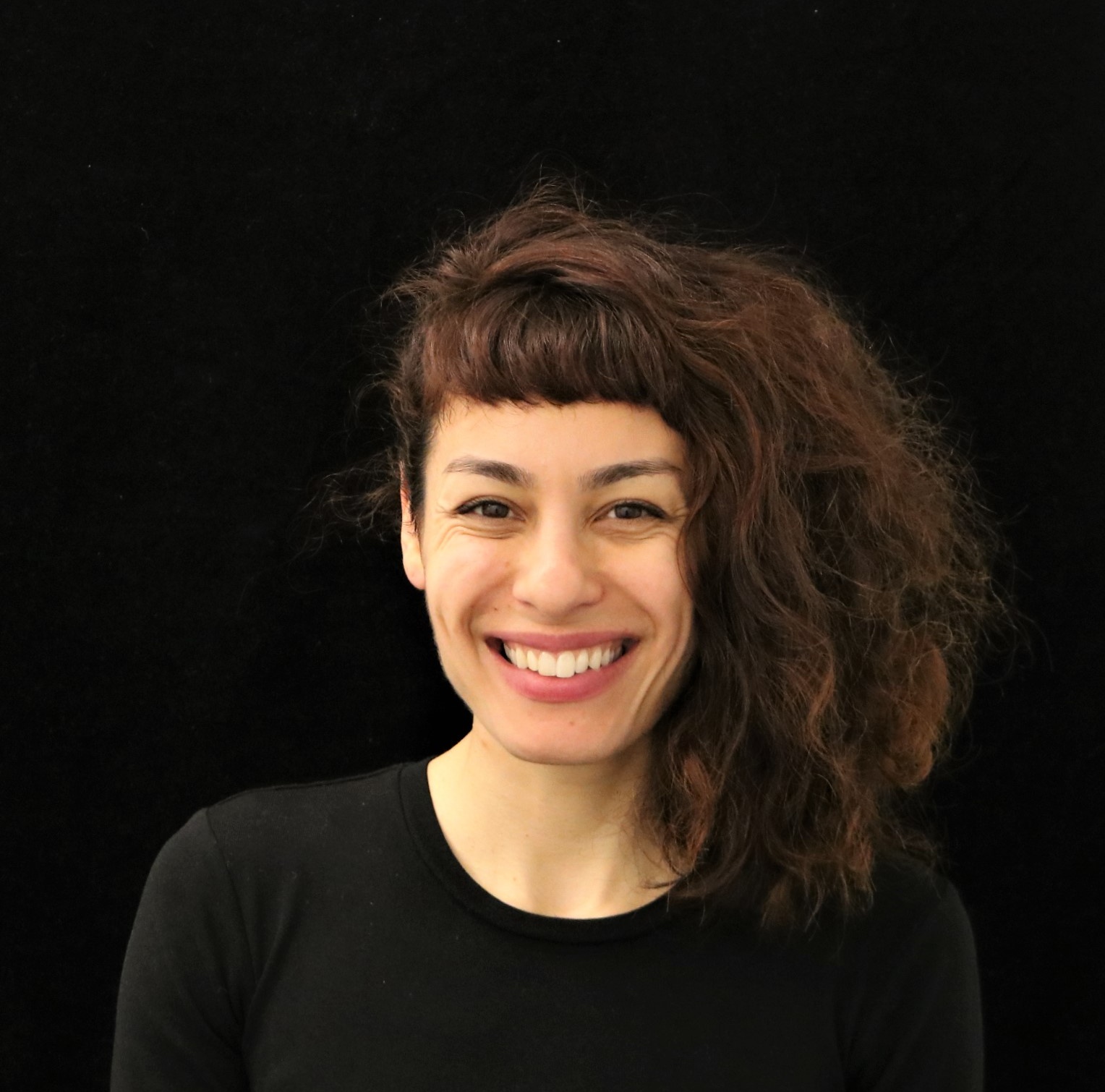
Portrait picture of a Hispanic Caucasian woman with brown wavy hair and brown eyes, smiling.
Researcher
Patricia Alves-Oliveira

Specializes in assistive robotics, accessibility, and inclusive design. Using participatory and speculative design methods, studies how social robots and AI-powered technologies can support accessible everyday experiences for people with disabilities — particularly those with motor impairments — promoting dignity, autonomy, and social belonging.

Technology Assistive robotics Social robots AI Inclusive design
Accessibility Motor impairments Participatory design
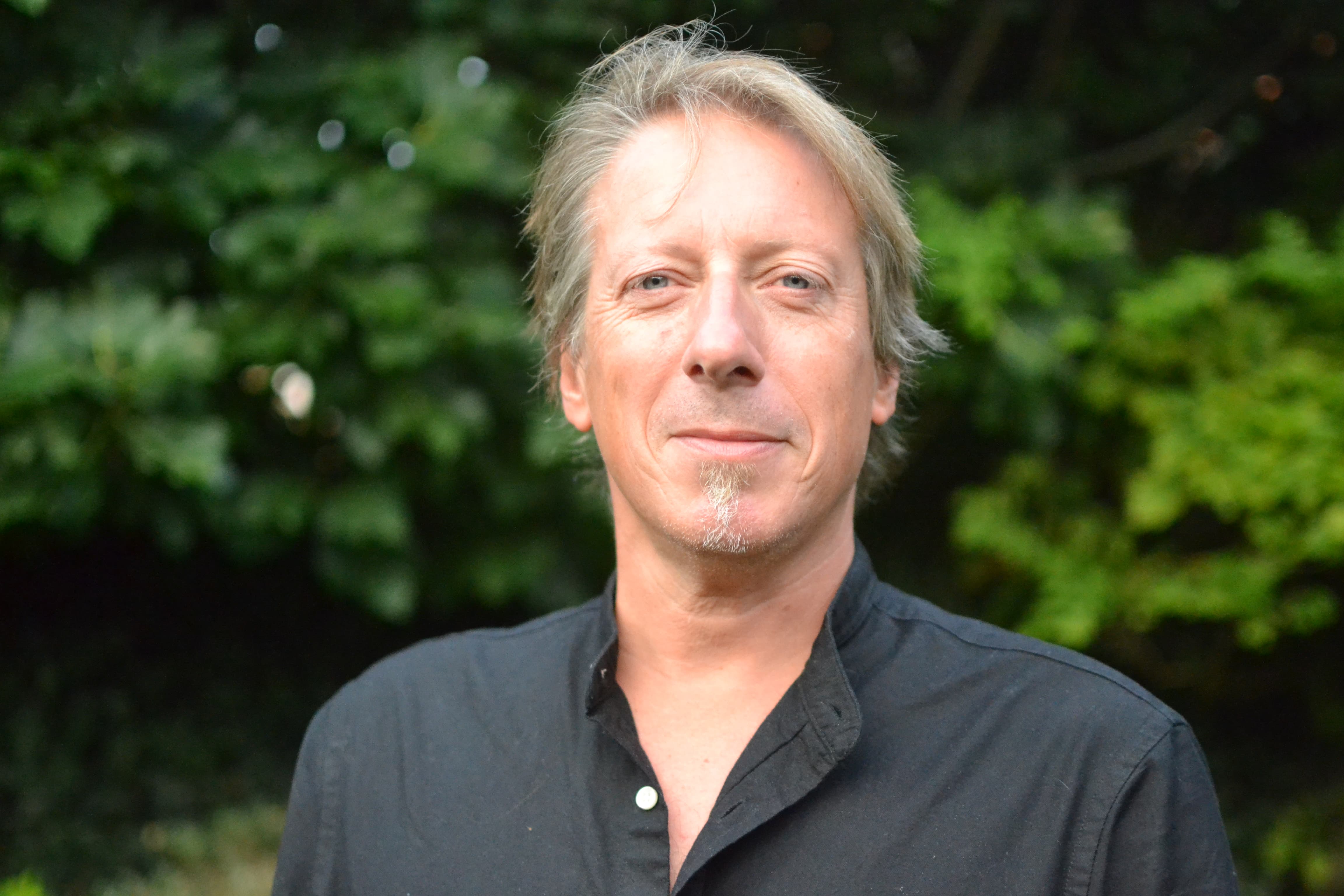
Light-haired man looking at the camera in front of green shrubbery
Researcher
Tony Belpaeme

Specializes in the development and evaluation of socially assistive and service robots, with expertise in multimodal interaction, situated AI, and human-centred design. Has extensive experience deploying robots in homes, care facilities, hospitals, and educational settings, with particular attention to linguistic and cultural diversity in European contexts.

Technology Socially assistive robots Service robots Multimodal interaction
Accessibility Elderly Children with ASD Hospital settings
Intersectional identities Language Culture
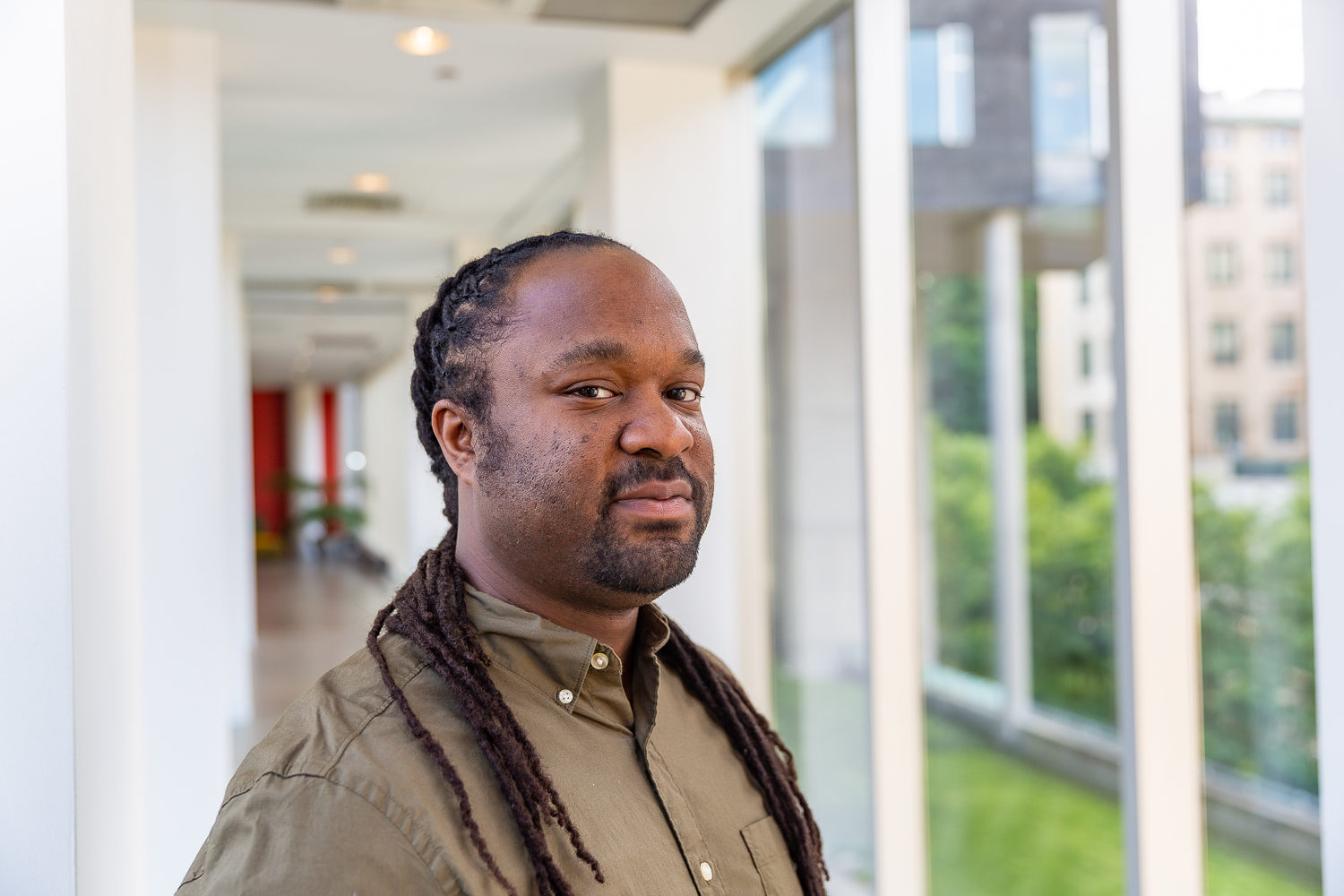
A man with dark skin, long locs, and a short beard, wearing an olive shirt, looking at the camera in a bright hallway.
Researcher
Patrick Carrington

Trained in human-computer interaction and accessibility, with 12+ years of research with people with mobility and vision disabilities. Work has focused on accessible sensing, mobile, and wearable systems, with more recent focus on AI applications for physical tasks and in physical spaces.

Technology Computers Sensing systems Wearables AI
Accessibility Mobility Vision Hearing Cognitive disabilities
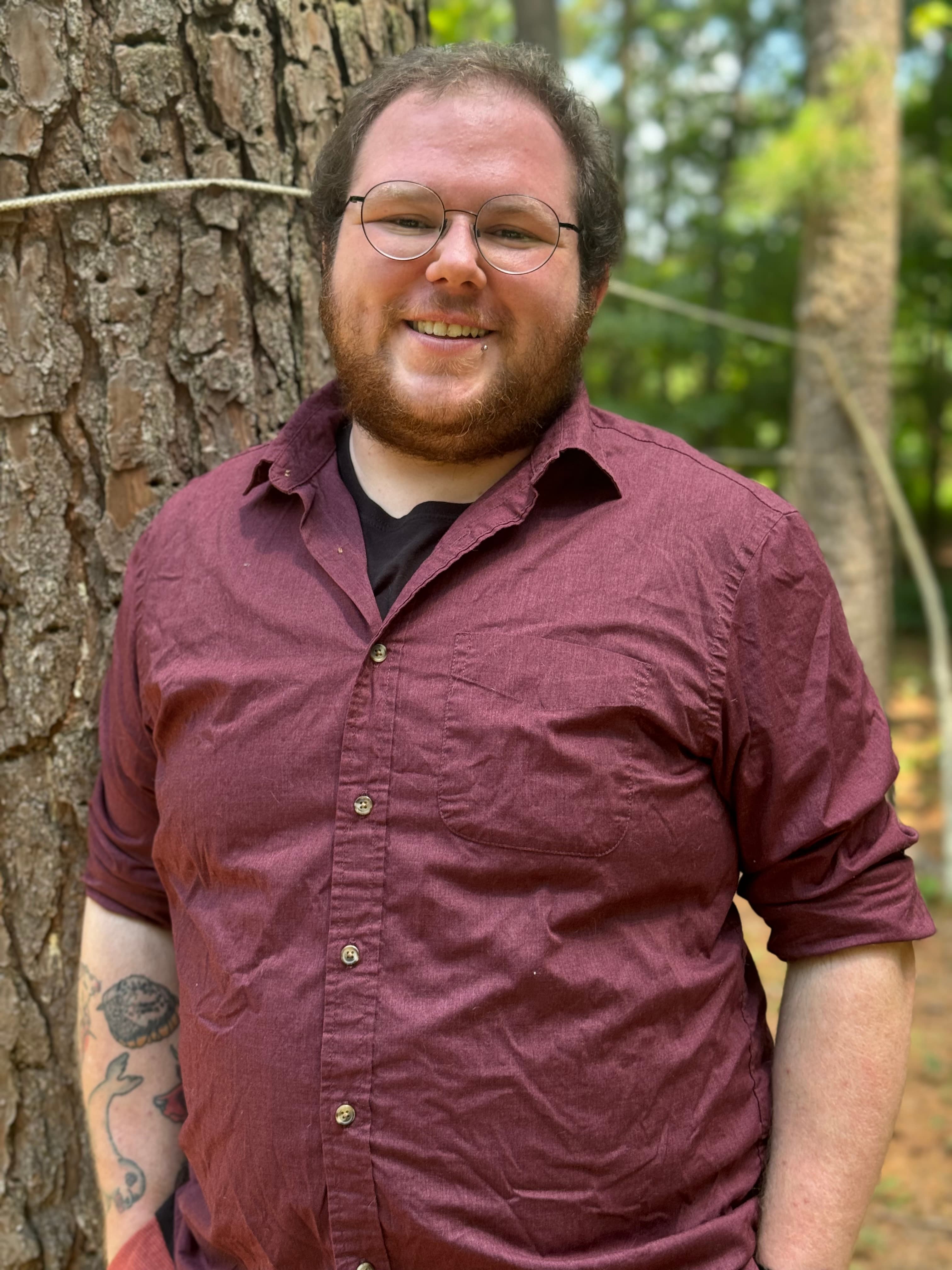
Man with short hair, beard, and red shirt, hands in pockets, looking at the camera
Researcher
Dr. Sawyer Collins

Works at the intersection of accessibility and robotics, developing codesign methods — including gamification and serious games — to centre the voices of people with diverse lived experiences in the design of embodied technologies.
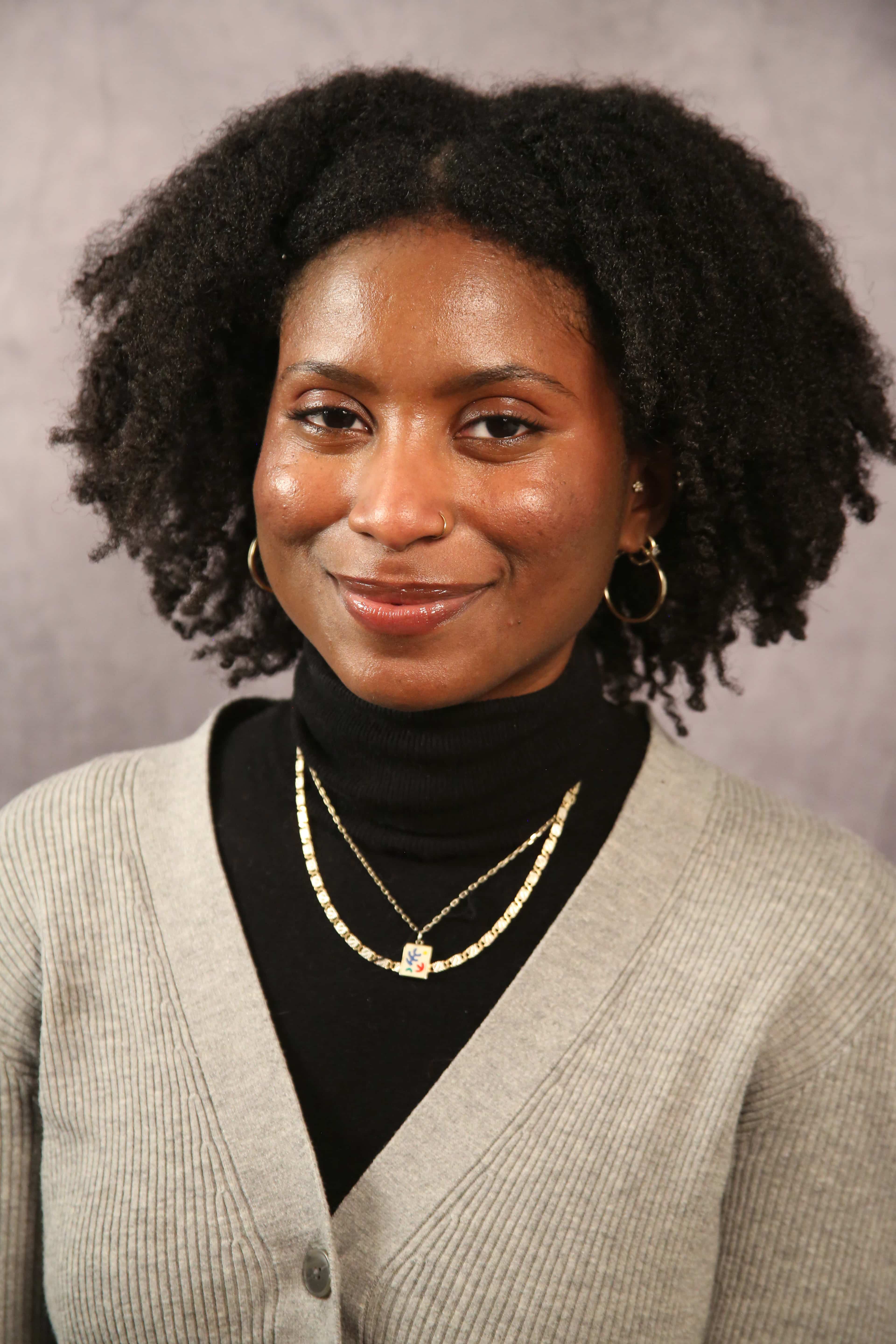
Technology Robots Robot prototyping Arduino Raspberry Pi
Accessibility Neurodivergence Physical disabilities Cognitive disabilities Older adults
Intersectional identities Gender
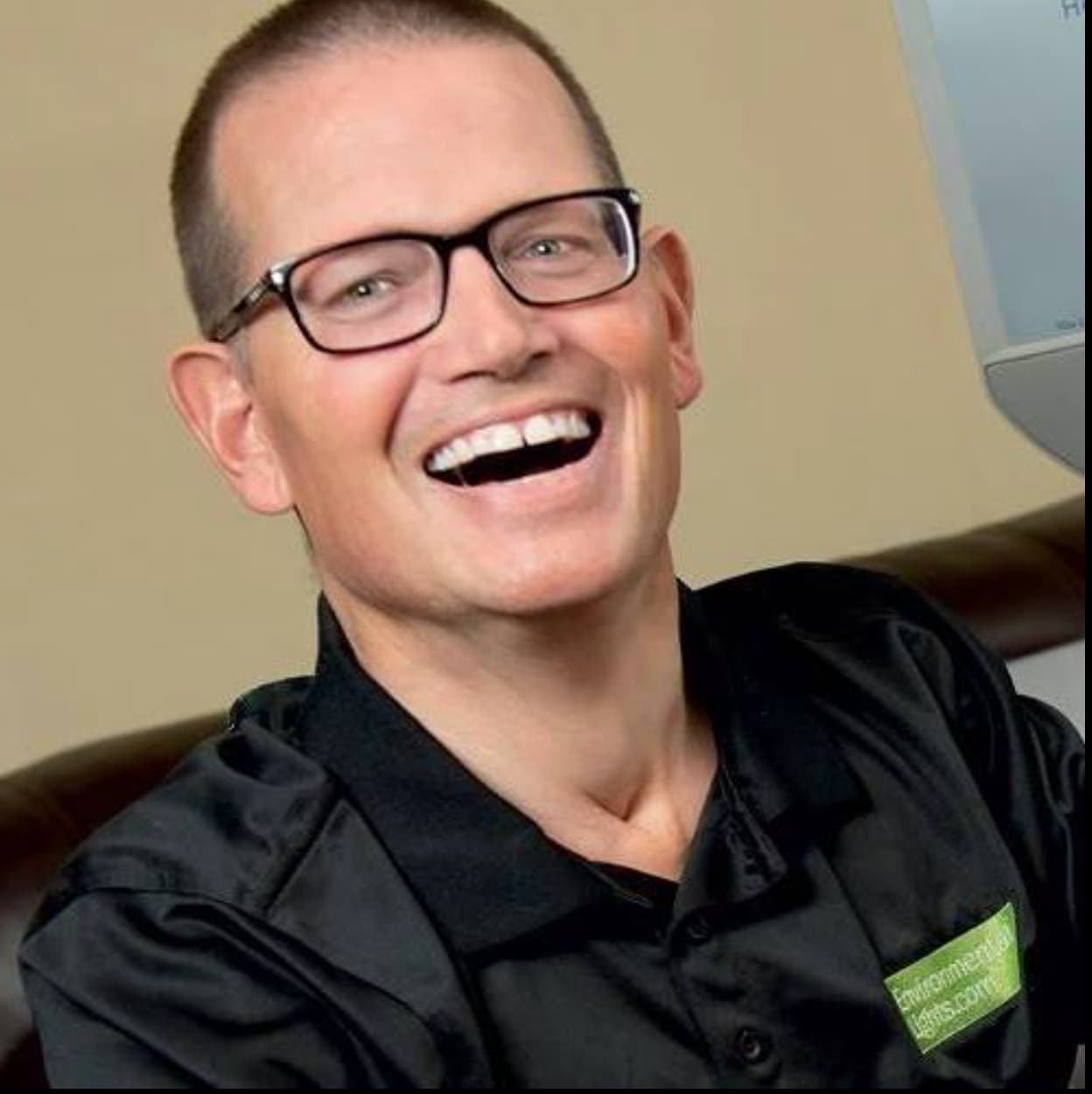
Light-skinned man with black framed glasses and short hair smiling at camera
Lived-Experience Expert
Henry Evans

Brings over 25 years of lived experience navigating mobility challenges and utilizing AAC and alternative computer access technologies. Co-founded Robots for Humanity and has been deeply involved in the development of home assistive robotics for over 15 years. A leading voice in assistive technology advocacy, he has given hundreds of talks and interviews worldwide.

Technology AAC Assistive robotics Alternative computer access
Lived experience Mobility Quadriplegia
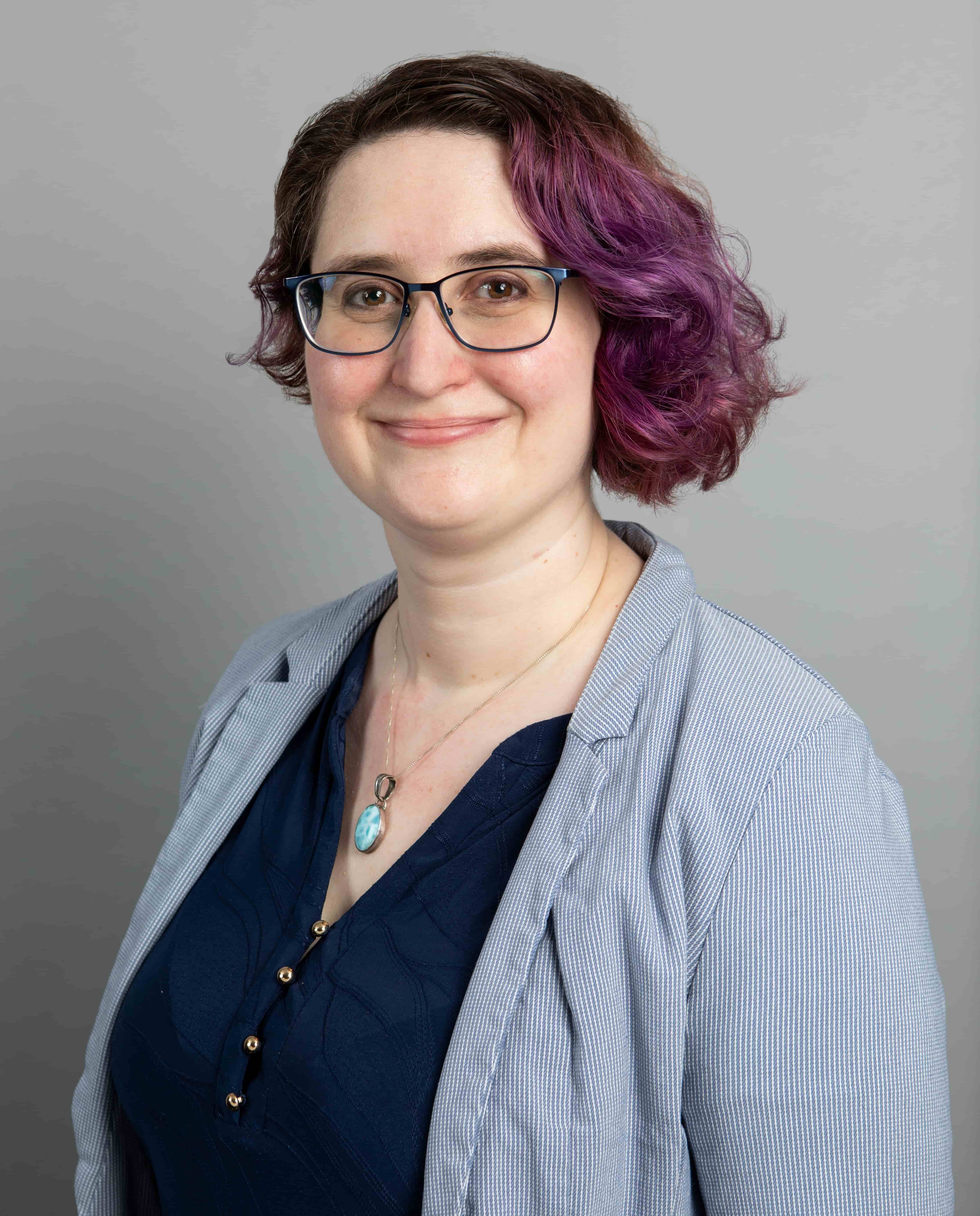
Dr. Martin has asymmetrical brown hair with purple on the longer side. They have blue glasses and are wearing a navy blue top, light blue striped jacket, and a larimar necklace.
Researcher
Lara Martin

Expertise in human-centered natural language generation, storytelling, and augmentative and alternative communication (AAC). Research focuses on making NLP and AI technologies more accessible and carefully designed for people with disabilities, particularly autistic adults and AAC users.

Technology NLP Text generation Speech generation Assistive technologies AI
Accessibility AAC Autistic adults
Intersectional identities Queer Gender Invisible disability
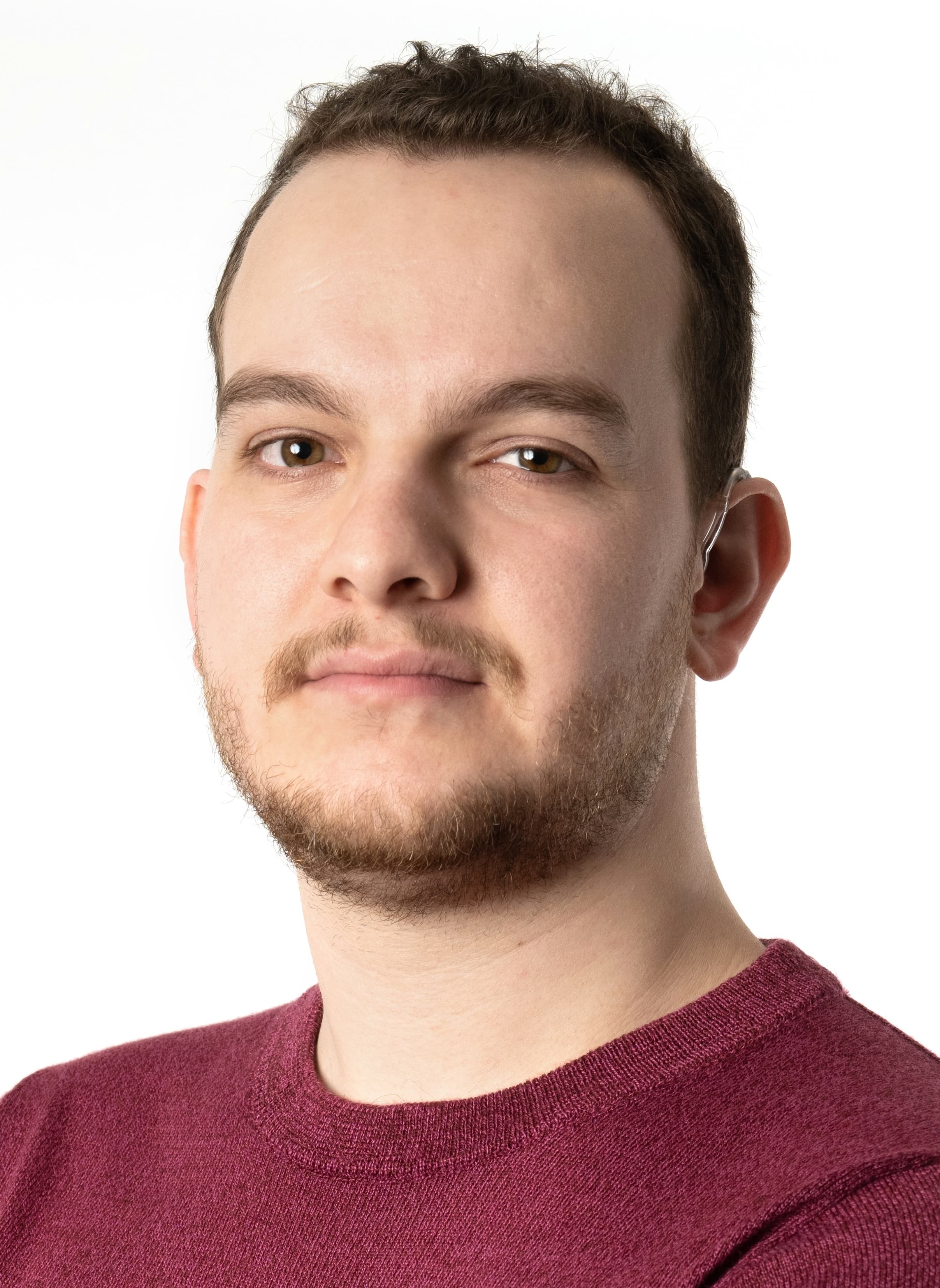
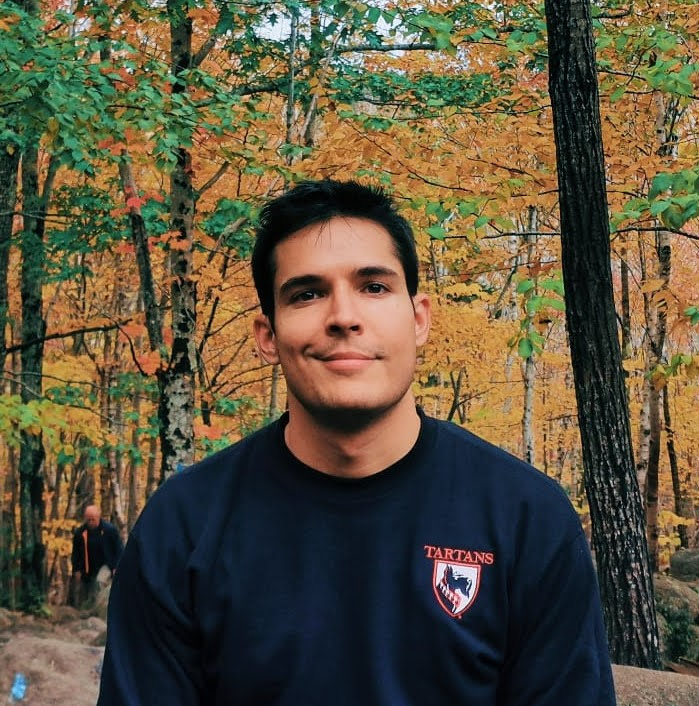
A young man with dark hair smiling at the camera, wearing a navy sweatshirt, standing in front of autumn foliage.
Researcher
Hugo Simão

Research combines human-robot interaction, accessibility, and design, with a focus on how technologies can support older adults' agency, social participation, and everyday values across different living contexts. Has worked on projects involving telepresence robots, assistive robotic systems, and AI agents in domestic, care, and public settings, examining how technology affects autonomy, dignity, family relationships, and inclusion.

Technology Robots Telepresence robots Assistive technologies AI agents
Accessibility Aging Mobility Social participation
Intersectional identities Age Socio-economic context Care relationships
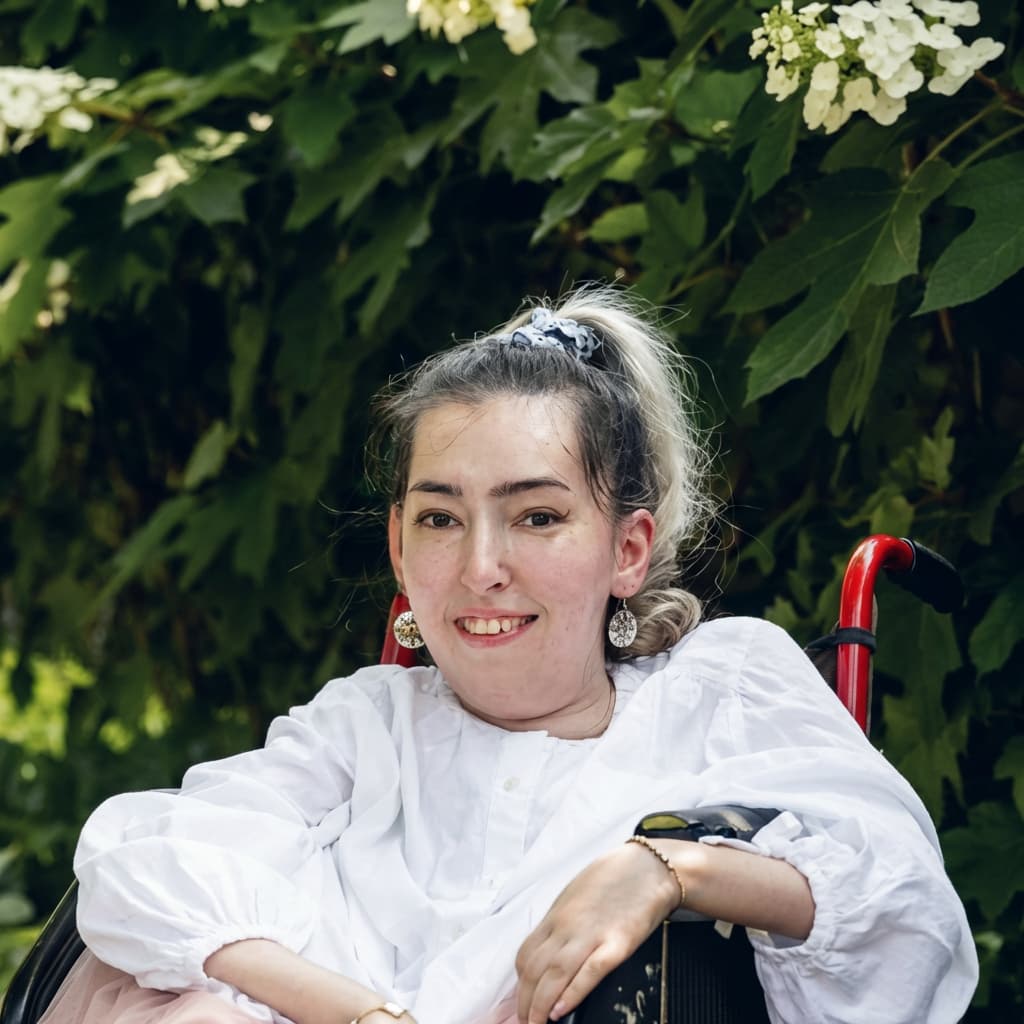
Atieh Taheri, a young woman with light skin and dark blonde hair pulled back in a ponytail with a blue scrunchie, smiles warmly at the camera. She is seated in a wheelchair with red handles, wearing a white blouse and large round earrings. Behind her is a lush green hedge with clusters of white hydrangea blossoms.
Researcher
Atieh Taheri

Builds and deploys interactive systems — spanning VR, haptics, hands-free game controllers, and AI dialogue agents — that move beyond functional access to center disabled people's agency, pleasure, and identity. As a researcher with lived experience of spinal muscular atrophy, studies accessibility and identity safety in generative AI, assistive technology, and LLM assistants.

Technology Interactive systems Assistive technologies Generative AI VR/AR Haptics
Accessibility Mobility Assistive technology Communication access
Intersectional identities Gender Age Socio-economic status
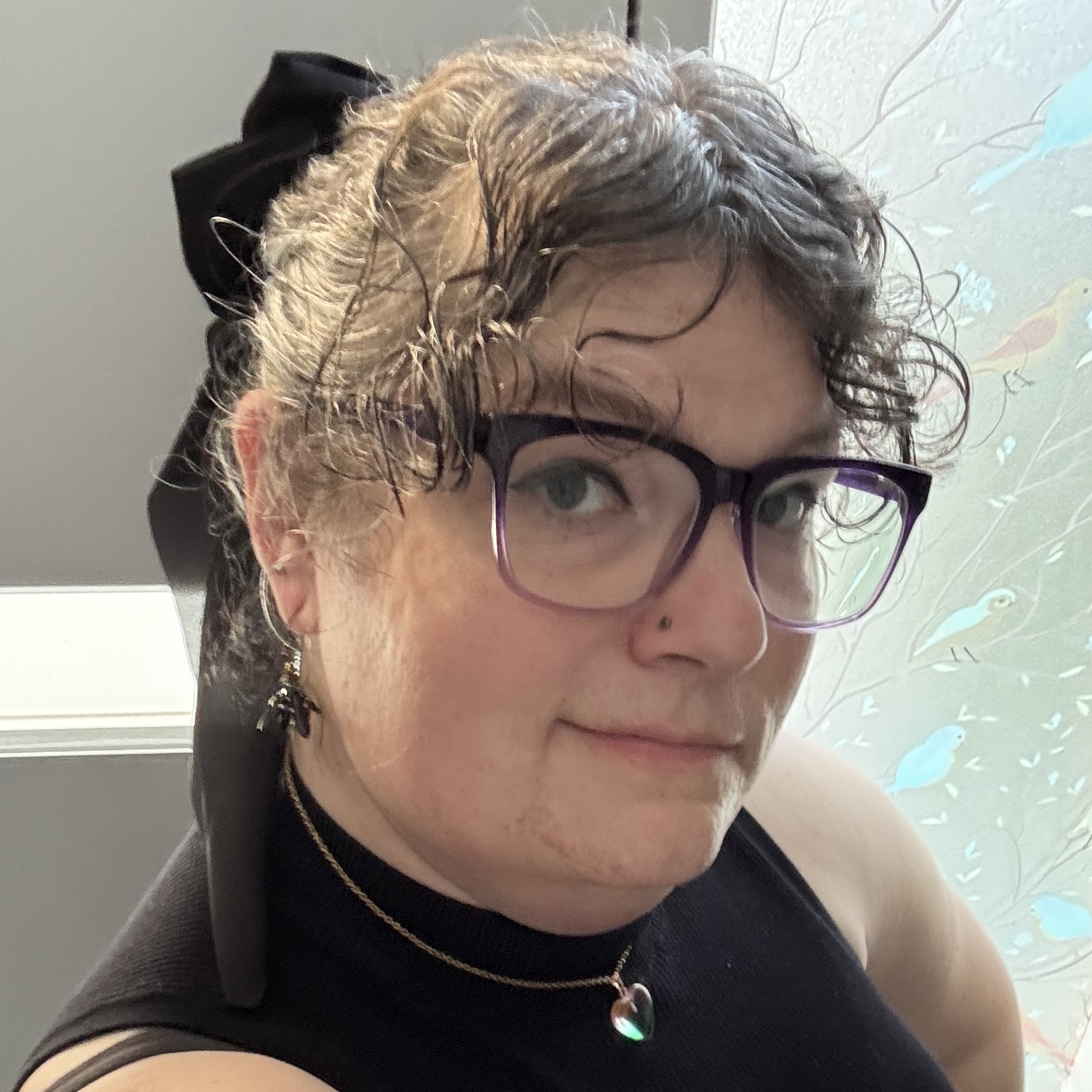
Curly-haired woman with black glasses and hair tie looking at the camera
Researcher
Phoebe Toups-Dugas

Research centres on designing for transgender inclusivity, creating games and software systems that prioritize joy in gender expression. Her work has established design principles for inclusive computing, drawing on HCI, game design, and agent awareness.

Technology Computers Game design Agent awareness Disaster response IT
Accessibility Neurodivergence
Intersectional identities Gender
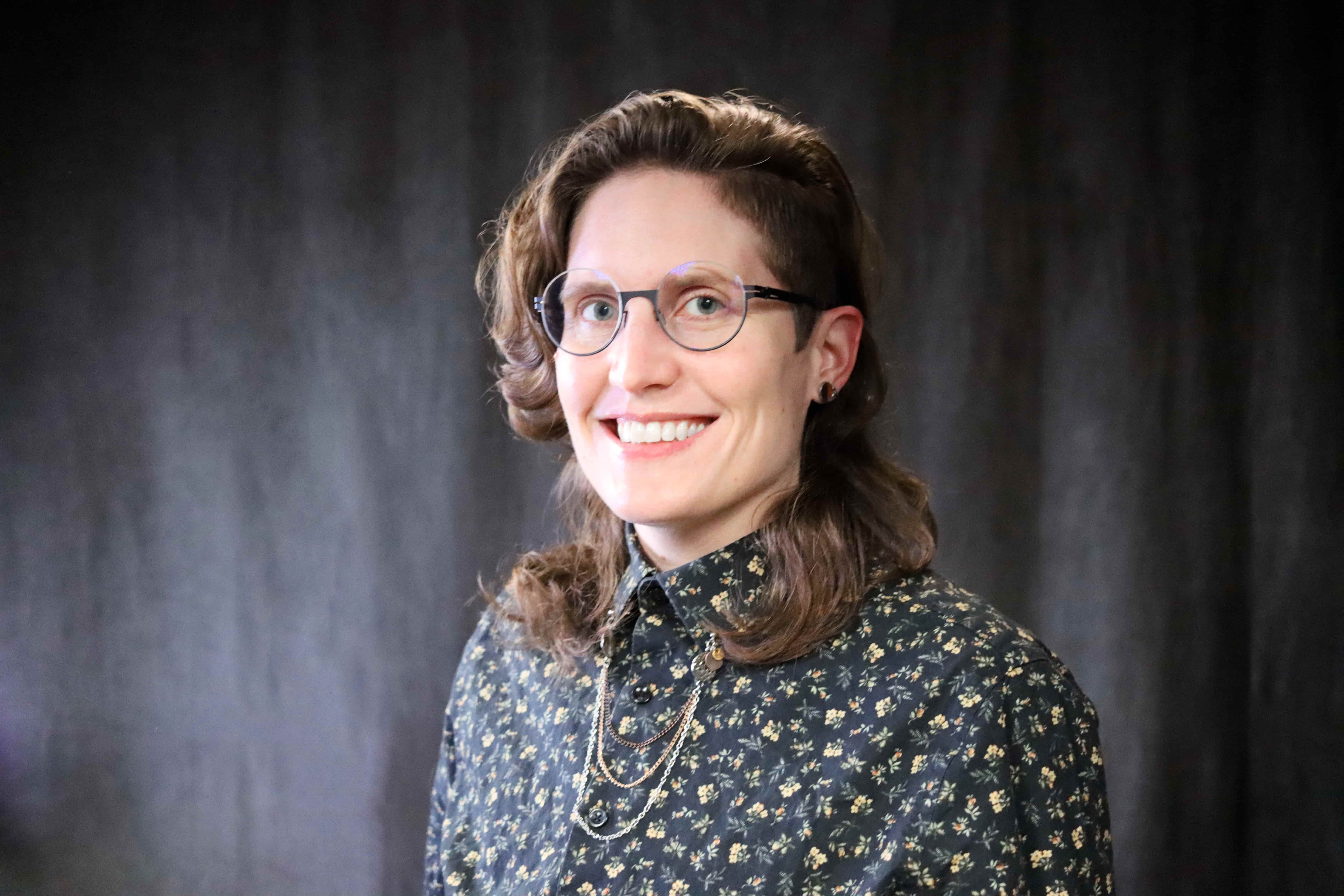
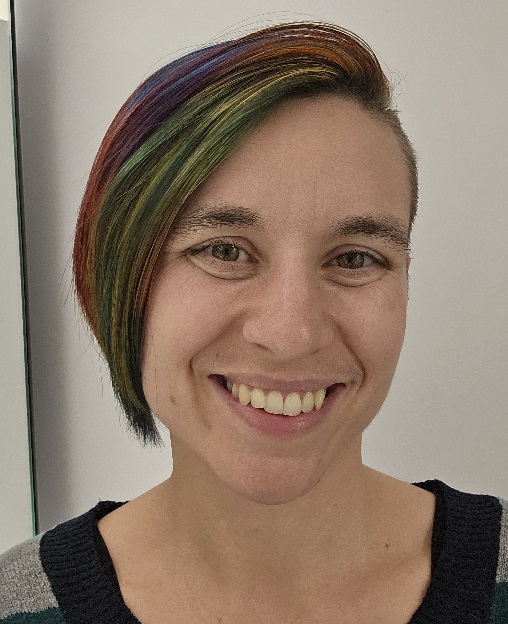
Rua M Williams smiles at the camera in semi profile. They have an asymmetrical haircut, glasses, and a floral top.
Researcher
Rua M. Williams

Assistant Professor at Purdue University, where they teach technology design and ethics. As PI of the CoLiberation Lab, they study the impacts of technology and policy on disabled people's access to bodily autonomy and meaningful public life. Their research explores how transformations in research design — including meaningful participation and accessibility in study protocols — influence inquiry, findings, and outcomes.

Technology Computers Wearables AR/VR HRI
Accessibility Web standards Cognitive access Photosensitive issues Usability
Intersectional identities Queer Disabled Mad
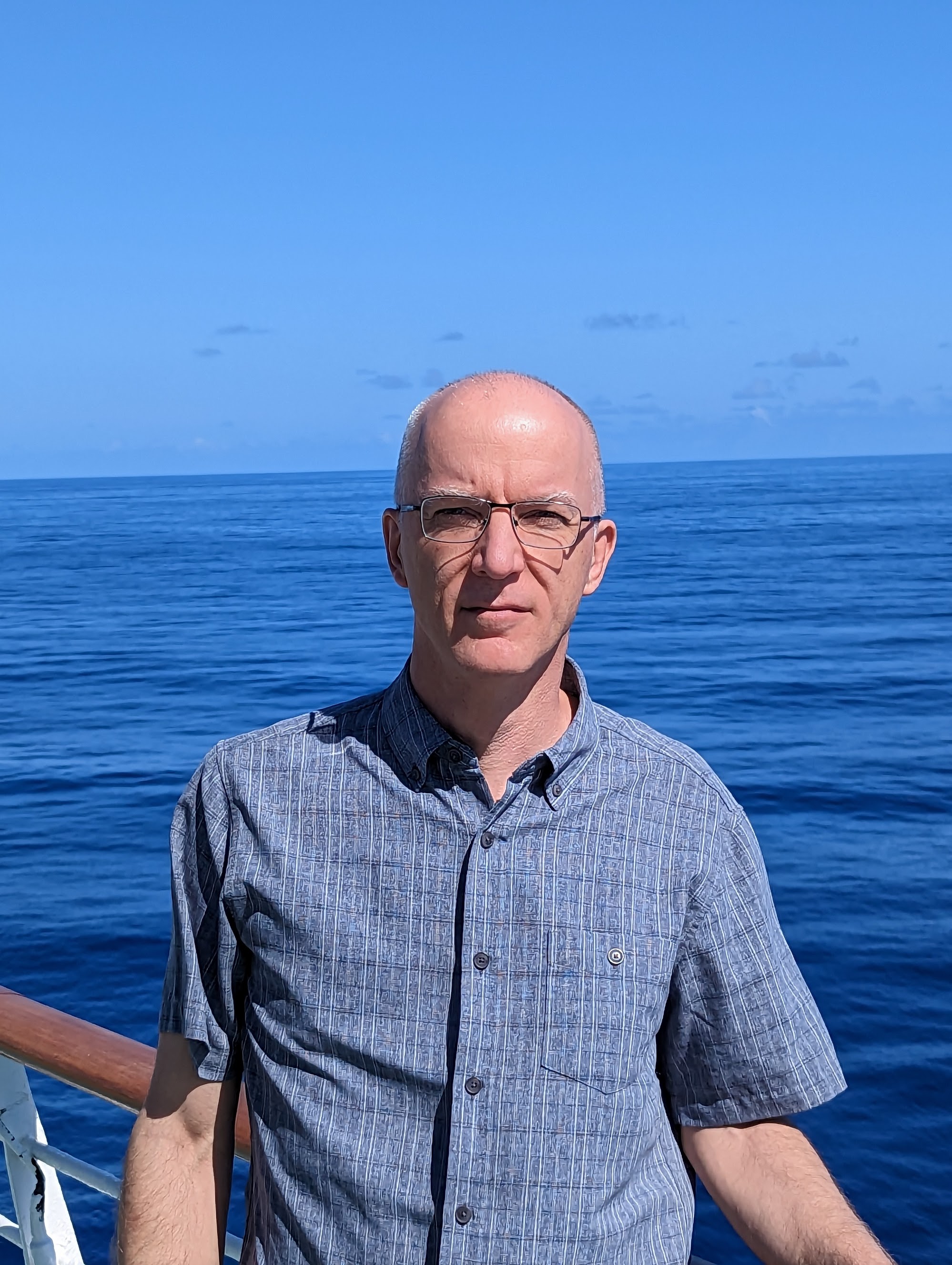
A man with glasses looking at the camera, in front of the ocean
Researcher
Jeff Witt

Brings 25+ years of expertise in digital and web accessibility and user testing with people with disabilities. Has conducted large-scale studies (100+ participants) on accessible technology including US currency and digital talking book players, and conducted early research into vehicle accessibility for blind users. Currently researching AI applications for web accessibility.
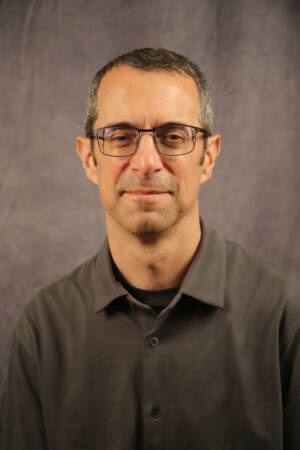
Technology Web accessibility Digital accessibility User testing AI
Accessibility Vision impairments Physical disabilities Hard of hearing
Intersectional identities First-generation college graduate Working class

Researchers who support our mission

We are grateful for the encouragement and support of leading researchers in the field of robot accessibility.

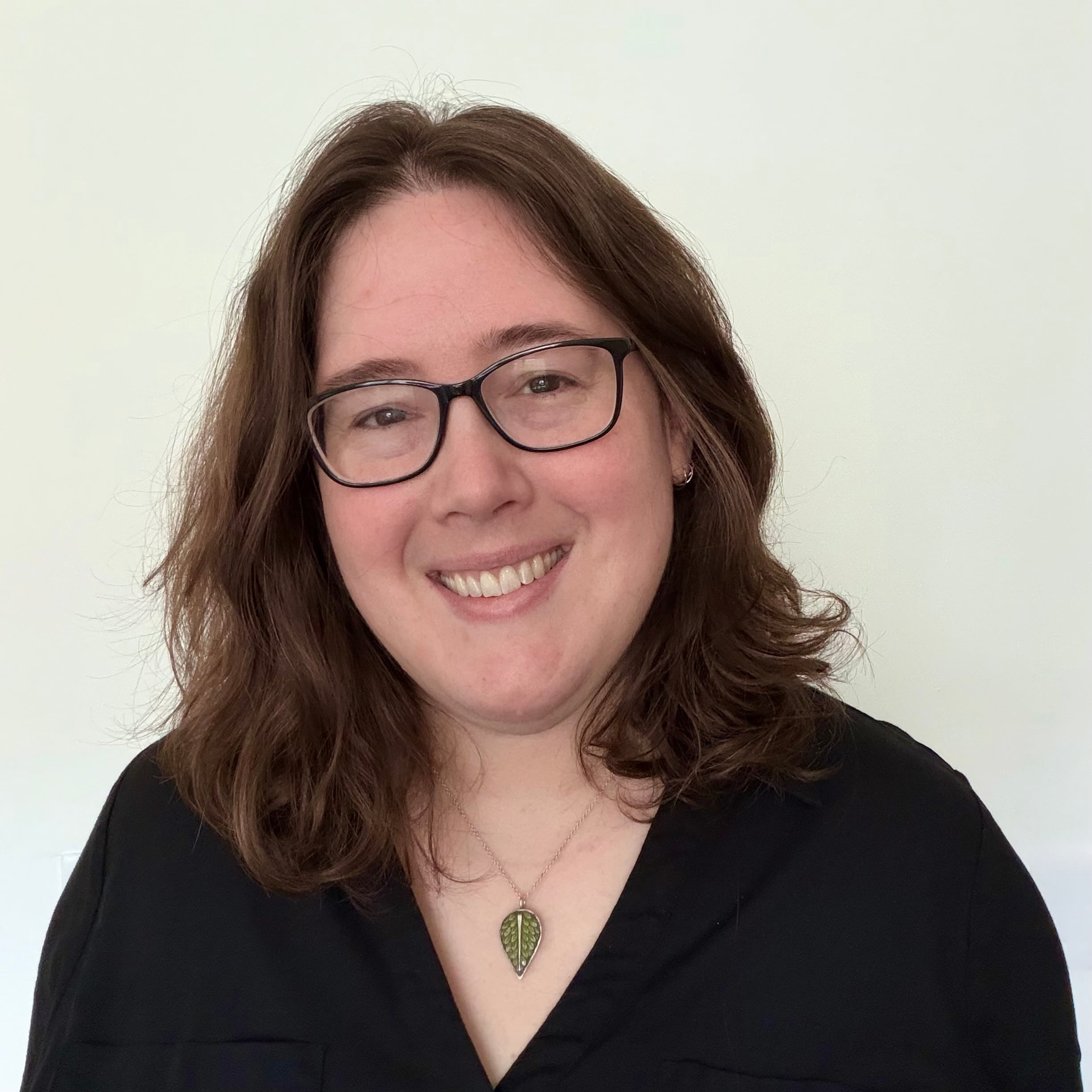
A headshot of Elaine Short, a smiling white woman with shoulder length brown hair and black-rimmed glasses wearing a black button-down.
Tufts University
Elaine Short

A renowned robot accessibility researcher whose work advances our understanding of how robots can be designed to interact with people of all abilities.

What's next for you

Learn more about how Robots for All works and how to get involved.